
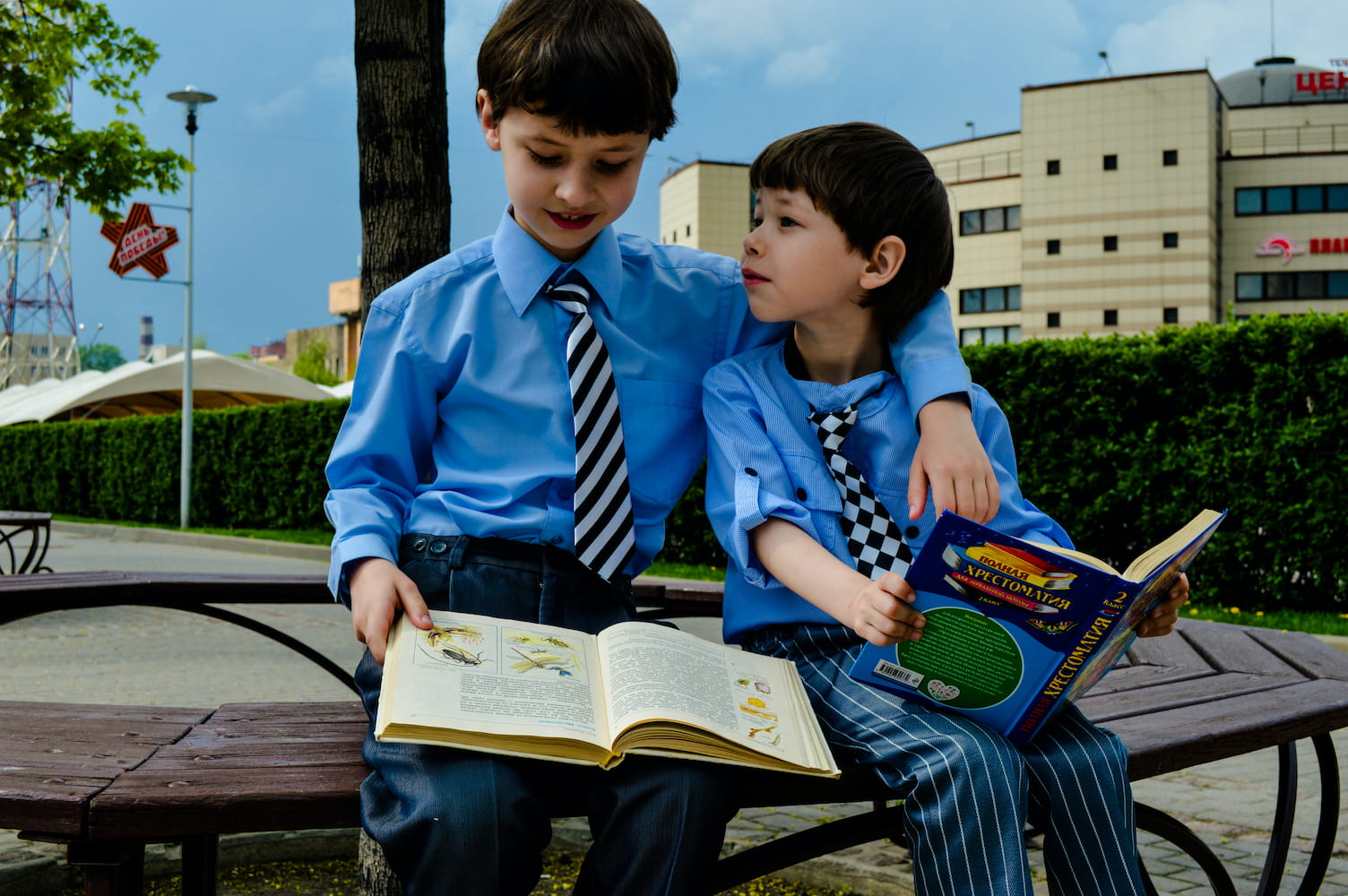
Reading for Fun vs. School: Fostering Cognitive Development in Children
In the realm of early childhood development, a crucial element consistently comes into focus – the impact of reading on cognitive growth. Often, we find ourselves mulling over the question of reading for fun versus reading for school and their distinct influence on a child’s development. Both forms of reading have unique merits that significantly contribute to a child’s overall growth, and understanding this can help nurture a lifelong love for reading in your child.
Diving into the World of Fantasy: Reading for Fun

Children naturally gravitate towards fun activities, and reading is no exception. Reading for pleasure, often featuring imaginative narratives, fantasy elements, and intriguing characters, is an immersive experience that goes beyond the realm of ordinary education. It offers an avenue for children to explore magic, adventure, and a myriad of unique characters, subsequently broadening their imaginative horizons, stimulating creativity, and providing them with a broader understanding of diverse cultures and experiences.
Scientific research emphasizes the manifold benefits of reading fiction and, more specifically, fantasy to children. Magic, mythical creatures, enchanted realms, and superhero tales serve as fuel for young imaginations, paving the way for enhanced creativity. More than that, it enables children to navigate complex emotional concepts and encourages an understanding of diverse perspectives, thus contributing to their social and emotional growth [1, 2].
What makes reading for fun stand out is the element of choice it offers children. The freedom to pick their books and explore different genres at their own pace fosters a love for reading, an invaluable asset that often persists into adulthood. Regrettably, a recent study indicates a downward trend in the number of children reading for pleasure in the U.S. [3].
Learning Through Literature: Reading for School
Reading for school, often termed reading for purpose, offers a more structured approach to learning. These reading materials are meticulously designed to cater to the academic needs of students, aiming to improve literacy skills, expand vocabulary, and disseminate knowledge across a wide range of subjects.
Reading for school goes beyond simple text comprehension. It encourages students to employ critical thinking as they dissect texts, understand complex concepts, and form educated opinions. These skills form the backbone of academic success and significantly contribute to a child’s cognitive development [4].

Striking a Balance Between Pleasure and Purpose
Although both types of reading offer distinct benefits, the key to comprehensive development lies in creating a balance. Incorporating reading for fun and reading for school into your child’s routine promotes well-rounded reading habits, contributing to both their academic success and personal growth.
To nurture a love for reading from a young age, consider introducing your child to ageless children’s books that provide entertainment while subtly conveying essential life lessons. The “Things That Go” coloring book, for example, is an excellent tool for igniting an interest in different modes of transportation. Its vibrant illustrations not only inspire creativity but also contribute to the development of fine motor skills and hand-eye coordination [5].
Navigating the Digital Distractions: Technology and Reading
In today’s digital age, it’s impossible to overlook the pervasive influence of technology on our lives – and our children’s. Televisions, tablets, and smartphones can pose considerable distractions, often hampering the development of a consistent reading habit in children.
While technology undoubtedly offers substantial educational benefits, excessive screen time can contribute to reduced interest in traditional reading. Children might develop a preference for immediate, visually engaging content, consequently spending less time exploring the pages of a book.
As parents and educators, acknowledging this challenge is the first step towards fostering a healthier balance. Here are some practical tips to guide you:
- Designate ‘Technology Off’ Time: Encourage regular periods where all devices are turned off in your household. This could be during meal times, an hour before bed, or during specific ‘family hours’. This not only helps children break away from digital distractions but also creates a space for other engaging activities, like reading.
- Encourage Interactive Reading: E-books and audiobooks can serve as a bridge between technology and reading. These digital platforms can make reading fun and interactive, encouraging children to engage with stories in a new way.
- Create a Reading-friendly Environment: Set up a cozy reading nook in your home, equipped with a variety of books suited to your child’s age and interests. Having a dedicated space for reading can make the activity feel special and enjoyable.
- Lead by Example: Children often emulate adult behaviors. Let them see you enjoying a good book regularly. This not only reinforces the value of reading but also shows them that it’s an enjoyable pastime, not just a school-related task.

The Power of Reading in Children’s Cognitive Development
Reading plays a pivotal role in fostering cognitive development in children. It equips them with essential life skills, cultivates empathy, and broadens their mental horizons. Whether it’s unravelling the complexities of academic texts or delving into the magical realm of fantasy novels, reading promises endless benefits.
As parents and educators, we must encourage children to embrace both forms of reading. Remember, the love for reading instilled at an early age will have enduring effects on their cognitive and emotional growth. To delve deeper into how reading benefits children, refer to our detailed article on the benefits of reading aloud to your child.
As the saying goes, a good book is a gift that keeps on giving. Let’s bestow upon our children the joy of reading today, fostering their growth and sparking their creativity.
Happy reading!
Sources
- The Importance of Reading to Your Children ↩
- Read it Again: Benefits of Reading to Young Children ↩
- Among Many U.S. Children, Reading for Fun Has Become Less Common ↩
- The Benefits of Reading for Purpose ↩

Create • Learn • Grow.
